
Should you build a custom checkout for your online store?
Find out when custom checkout ecommerce development is worth the cost, when a standard flow is safer, and what to check before you build for your store.
Find out when a B2B ecommerce website is worth building, which features support your sales process, what affects cost, and how to choose a partner.
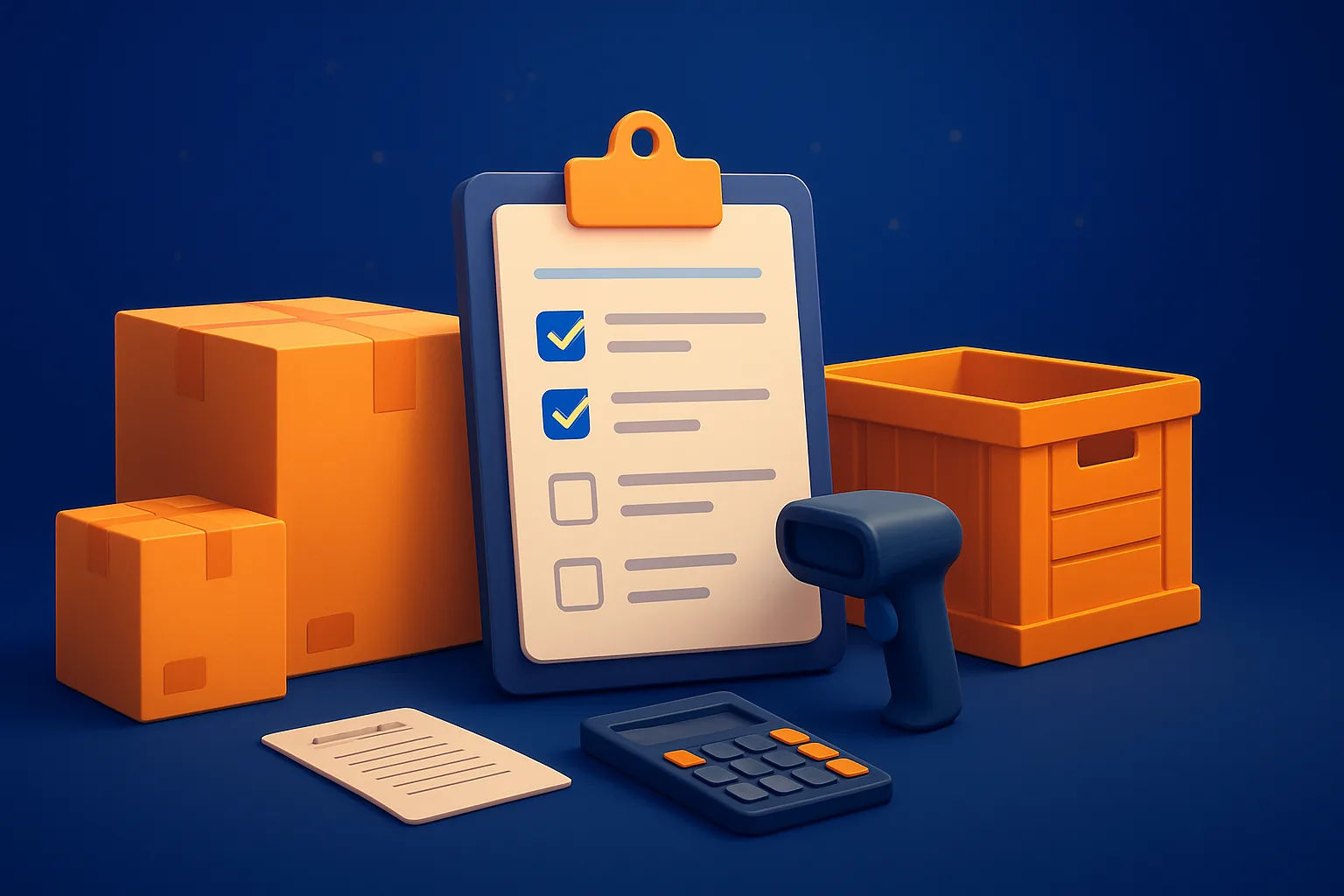
You should build a B2B ecommerce website when it can reduce repeated ordering work for your customers and your staff. It is a strong option for wholesalers, distributors, manufacturers, and suppliers with regular buyers and clearly defined products.
It may not be the right first step if every order depends on a site visit, a custom specification, or lengthy negotiation. In that case, an enquiry and quotation system may deliver more value than a full online store.
A B2B ecommerce website makes sense when customers often ask for prices, check stock, repeat previous orders, or wait for a team member to prepare a quotation. If your sales staff spend much of the day answering the same questions, an online ordering website can give buyers the information they need before they call.
The strongest case is a business with repeat buyers and standard products. A wholesaler supplying grocery shops may sell cartons with known pack sizes. A distributor serving dealers may offer a fixed range of parts. A manufacturer may sell standard components that buyers reorder by product code.
Do not build a full store only because a competitor has one. If each sale needs a custom measurement, a technical inspection, or a negotiated price, begin with product information, enquiry forms, and quotation management. You can add ordering later when the sales process becomes clearer.
Use this simple decision rule: if customers can place at least part of their usual order without speaking to your team, online ordering may repay its cost. For example, a clinic supplier could let hospitals repeat approved orders online while keeping new equipment enquiries with a sales representative.
Speak to ten regular customers before choosing a B2B ecommerce platform. Ask how they order today, what slows them down, what information they need before confirming a purchase, and which parts of the process they still want handled by a person.
Their answers will shape the website plan. A clinic supplier may need repeat ordering, batch information, and delivery slots. A school uniform supplier may need size based products, bulk quantities, seasonal availability, and a way to manage orders from several branches.
Ask buyers whether they need account specific prices, credit terms, minimum order quantities, approval steps, or deliveries split across several locations. A retailer placing a small weekly order may need a simple reorder button. A purchasing manager may need a purchase order field and approval from a finance manager.
Do not remove channels that customers already trust. Some buyers will prefer WhatsApp for a quick question, while others will use the website for repeat orders and call a sales representative for a large purchase. The website should remove repetitive work, not force every buyer into one channel.
Start with the actions your buyers perform most often. A B2B site does not need every feature available in a software catalogue. It needs the right rules for your products, customers, prices, approvals, payments, and deliveries.
Connect stock, accounting, customer records, delivery information, or an ERP only when the connection removes duplicate data entry or prevents mistakes. Each integration adds work for data mapping, testing, security, error handling, and future maintenance. A small business may be better served by a controlled import at first, rather than a costly live connection.
Decide how payments will work before development starts. Some buyers may pay online by card or bank transfer. Others may use approved credit, cash on delivery, or an invoice after dispatch. You may need different payment options for different customer accounts.
Plan for the countries you serve. Currency, tax display, delivery rules, language, and payment methods can differ between India and Gulf markets. A company serving both regions should decide whether prices, tax details, stock, and delivery charges are managed by country, customer type, or sales territory.
A polished catalogue will not fix poor product data. Before development starts, confirm product names, units, pack sizes, images, specifications, prices, customer price rules, and stock rules. If one product is sold by the box and another by the piece, that difference must be clear at the point of order.
Do not copy a retail checkout into a B2B process. A retailer may need one public price and immediate payment. A distributor may need customer specific pricing, minimum quantities, sales approval, credit limits, and a delivery address selected from several approved locations.
Be careful with live stock and delivery promises. Only show real time availability if the source data is accurate and updated often enough for your sales volume. A wrong stock message can create urgent calls, cancelled orders, and damaged trust.
The B2B ecommerce website cost depends more on workflows and integrations than on the number of pages. A catalogue with account pricing and manual order review may cost less than a smaller site connected to stock, accounting, credit checks, dispatch, and several delivery areas.
Budget for the work after launch as well. Staff need training, product data needs updates, customer prices need review, and user permissions need attention when employees change roles. Integrations require monitoring and maintenance, while security updates should not be postponed.
Start with the most common order types. Adding every customer rule in the first release can delay the site and make it harder to use. A sensible first release may support repeat orders for existing customers, while unusual quotations and complex contract pricing continue through the sales team.
Ask a prospective partner to explain your real order process, not just show a standard shop demo. The right partner should understand what happens between a buyer signing in and your team sending an invoice.
Also ask who owns the website, data, hosting account, source code, and integrations. Confirm how support works after launch, how new features are estimated, and how quickly the team responds when buyers cannot place an order.
Before speaking to a vendor, list your top customer types, the steps in a normal order, the exceptions your sales team handles, and the systems you use today. Dotdunia can help you decide if a B2B ecommerce website suits your business, plan the first release, and build it around your sales process. Start a conversation at www.dotdunia.com.
Find out when custom checkout ecommerce development is worth the cost, when a standard flow is safer, and what to check before you build for your store.
Learn what an ecommerce quote should cover, from features and integrations to costs, timelines, exclusions, ownership, testing, and support.
Learn what affects ecommerce website cost in India, which features change the quote, and what to ask before choosing a development partner.