
The Future of E-Commerce: How AI is Reshaping Online Shopping
Discover how AI is transforming online shopping, enhancing customer experiences, and shaping the future of e-commerce.
Learn what affects ecommerce website cost in India, which features change the quote, and what to ask before choosing a development partner.

An ecommerce website in India can cost from a modest amount for a small catalogue store to a much larger investment for a custom platform with integrations and complex operations. There is no responsible single price without knowing what you sell, how customers pay, where you deliver and how your team manages orders.
A retailer selling 30 products through Instagram may need a simple mobile friendly store. A wholesale business with customer specific prices, stock synchronisation and several delivery rules needs a different build. The useful question is not only how much the website costs, but what the quoted scope includes and what you will pay later.
The first estimate becomes useful when you share practical details. Tell the development partner your product count, sales channels, target locations, payment methods, delivery process and preferred launch date. A store for one Indian city has different requirements from one serving customers across India or in the Gulf.
Ask for a scope based range rather than a low headline price. The estimate should show what is included for design, development, hosting, payment setup, product upload, testing, training and ongoing support. If these items are missing, two quotes that look different may actually cover almost the same work.
Your own order process also affects the ecommerce website development cost in India. A clinic selling a few health products may need product pages, online payment and local delivery. A wholesale food supplier may need enquiries, approval based accounts, negotiated prices, minimum order quantities and invoices.
Product quantity is only one part of the work. Product structure matters just as much. A clothing shop may need sizes, colours, stock levels and several images for each item. A furniture shop may need dimensions, material choices, assembly information, delivery zones and a way to request a delivery quote.
Ask how many product types and variations the quoted build supports. A standard product with one price is simpler than a product where price changes by size, finish or quantity. Also confirm who will prepare and upload the catalogue. Entering 50 well prepared products is different from cleaning and organising 2,000 records from a spreadsheet.
Payment choices add configuration and testing work. Your customers may expect cards, net banking, UPI, wallets, cash on delivery or international payments. Each option can have different settlement reports, refund steps and failure messages, so the team should test the complete payment and order confirmation process.
Shipping requirements can change the quote considerably. A small retailer using one courier may only need a delivery charge and tracking link. A larger business may need multiple couriers, pin code restrictions, weight based charges, local delivery, scheduled delivery, returns and rules for products that cannot travel to certain areas.
Ask whether delivery charges are calculated inside the store or entered by your team. Confirm who handles courier account setup, tracking updates and return status. A quote that says shipping integration without explaining these details is not specific enough.
Integrations can add significant scope to an online store development cost. You may want the store to connect with accounting software, inventory tools, a CRM, marketplaces, WhatsApp or an existing ERP. The work depends on whether those systems have suitable access, how often data must sync and which system remains the main source of truth.
Design and content affect the quote as well. A ready made theme needs less design work than a store requiring a new brand system, custom category pages, product photography guidance and layouts built around your buying process. You should also clarify who writes product descriptions, prepares banners and creates terms, returns and delivery pages.
The location of your customers matters. Selling only in India is simpler than supporting Gulf currencies, regional tax rules, cross border delivery and multiple languages. If you plan to expand later, ask the developer to identify which parts should be prepared now and which can wait.
A hosted platform can suit a new retailer that wants to test demand quickly with standard products and payment options. It usually reduces the technical work needed at the start. Before choosing one, check transaction fees, app costs, payment restrictions, data access, export options and the level of support available to your team.
An open source store can give you more control over the code and hosting. You must budget for hosting, security updates, backups, extensions, monitoring and technical maintenance. It may suit a growing retailer with specific requirements, but it still needs someone to manage the store after launch.
A custom ecommerce application makes sense when your pricing, catalogue, workflow or integrations do not fit common platforms. For example, a distributor with customer specific price lists and approval based ordering may need custom work. Do not pay for custom development if a standard store covers your actual products and order process.
A phased build can reduce risk. Start with the catalogue, checkout, payments and delivery process. Add loyalty, subscriptions, marketplace synchronisation or advanced reports after customers use the store and you have evidence that these features will help.
The fastest route is not always the cheapest over two years. Compare the initial build with platform charges, maintenance, extension costs, staff time and the cost of changing platforms later. A lower first quote can become expensive if your product data cannot be exported or your order process is tied to one vendor.
Choosing the lowest quote without checking the scope often creates extra bills. Mobile layouts, payment integration, product upload, testing and post launch fixes may be excluded even though you assumed they were part of the website development cost in India.
Treat product data as a project task, not a last minute activity. Prepare names, prices, variants, images, descriptions, tax details and stock information before development reaches the upload stage. Missing or inconsistent data can delay testing and make the store appear unfinished.
Do not ignore mobile checkout if most enquiries arrive through Instagram or WhatsApp. Test product search, filters, address entry, coupon use, payment and order confirmation on a real phone. A customer who struggles to enter an address or complete UPI payment may leave before placing the order.
Ask for one time and recurring costs separately. The first quote may exclude hosting, security, backups, support, plugin renewals, payment gateway charges and courier charges. Some costs depend on your provider or transaction volume, so your partner should identify them even when they cannot give an exact figure.
An ecommerce website will not bring sales by itself. You may need search visibility work, useful product content, email or WhatsApp follow up, advertising and staff who manage orders quickly. A retailer should budget for these activities instead of assigning the entire marketing budget to the build.
Clarify ownership before work starts. You should know who owns the domain, hosting account, design files, source code, customer data and third party accounts. Use your own business details for important accounts where possible, and make sure you can access them if the working relationship ends.
A good development partner should help you see the decisions behind the quote. Ask direct questions and request written answers. The aim is not to find the longest proposal, but to find out whether the team understands how your business receives, fulfils and supports orders.
That last exercise is especially useful. A vendor may present attractive screens but miss practical details such as partial refunds, failed payments, out of stock products or a return that needs approval. Their response will show whether they understand your operation or are only selling a template.
Start by listing your products, order process, integrations and launch priorities. Mark each requirement as essential for launch, useful after launch or uncertain. This gives a development partner enough context to recommend a suitable approach instead of sending a generic ecommerce website cost India price.
Dotdunia can help you plan the right ecommerce approach or build the store from design through launch. Visit www.dotdunia.com to start a conversation about your products, customers and next steps.

Discover how AI is transforming online shopping, enhancing customer experiences, and shaping the future of e-commerce.

Choosing the right website development company is one of the most important decisions for your business. Your website is not just a digital presence, it represents your brand, builds trust, and plays a key role in generating leads and sales.
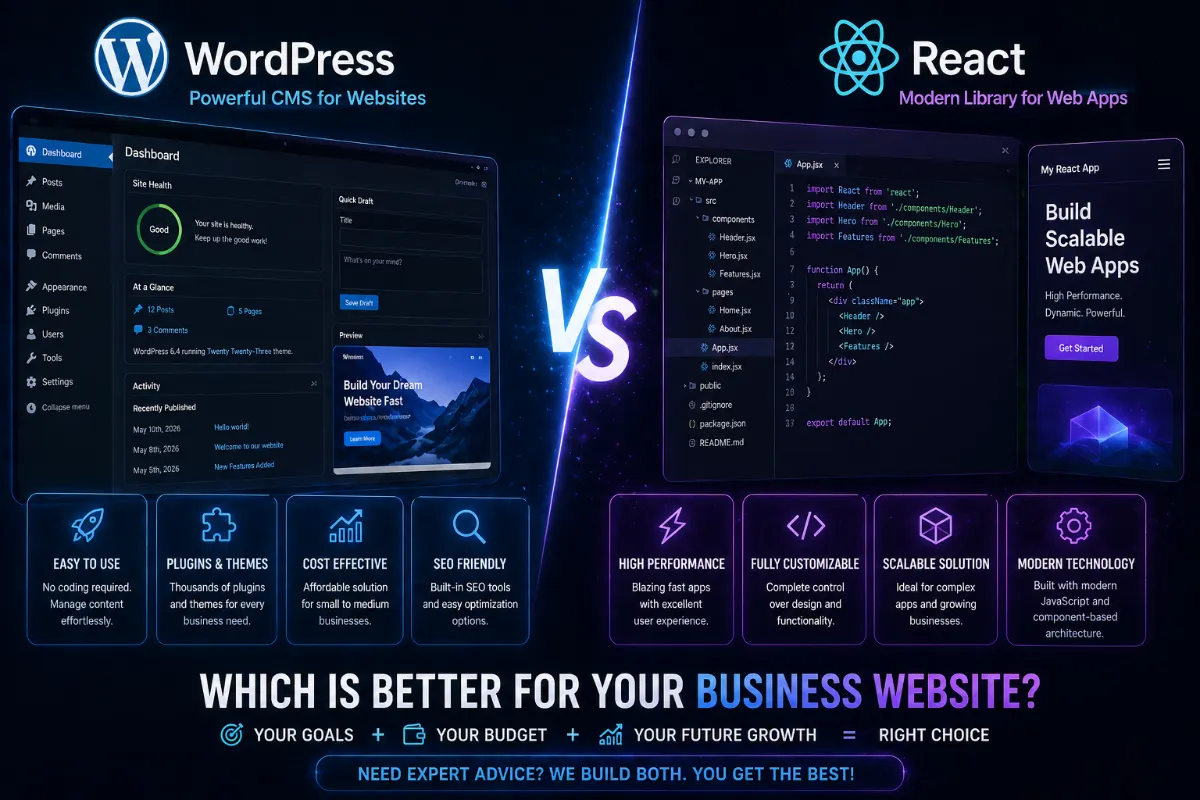
If you're planning to build a website, one of the most common questions is: